Why is Irrigation System Cleaning Necessary?
Brewer International Technical Team
Product Development & Agronomy
At the end of every growing season, farmers put away most of the tools of their trade, make repairs to some that need it, while others are simply cleaned and left in place until the next season. Tractors, harvesters, and similar equipment may be stored during the winter months or perhaps repaired prior to storage.
What about irrigation systems?
Introduction to Irrigation Systems
First, an irrigation system is a method of delivering water to an area where it is needed but is lacking.
Second, irrigation systems are common today and can be seen supplying water to lawns and gardens in urban areas, and crop fields in rural areas.
Third, irrigation systems are vital to agricultural systems in the United States, and worldwide, and are vital to our livelihoods.
Fourth, without question, we MUST maintain irrigation systems by keeping them clean.
Why do irrigation systems need to be clean?
Before we answer that question, let’s talk about irrigation techniques.
Irrigation of crops has been around since man started to cultivate crops. At first, water was applied to crops manually, a low-tech method that is still being used today. Though it was an effective method used to apply an essential resource to crops, manual irrigation techniques are labor intensive and not efficient for applying water to meet the needs of crop growth on a large scale.
Eventually, new techniques were developed that made it possible to automate crop irrigation. Further advancements over the past several years has unearthed a number of highly technical and specialized crop irrigation systems. These advanced irrigation systems require an infrastructure of pumps, pipes, and more to deliver the water from its source to the crop. Two examples are drip irrigation and spray irrigation.
What is drip irrigation?
- Water travels through a line of plastic tubing laid along each crop row (or buried near the root zone), then seeps out through small holes spaced along the tubing directly at the plant's roots rather than over the leaves.
What is spray irrigation?
- A method closer to watering a lawn with a garden hose: water is pushed through a pipe under pressure and thrown out across the field through a series of emitters, rather than seeping quietly at the roots.
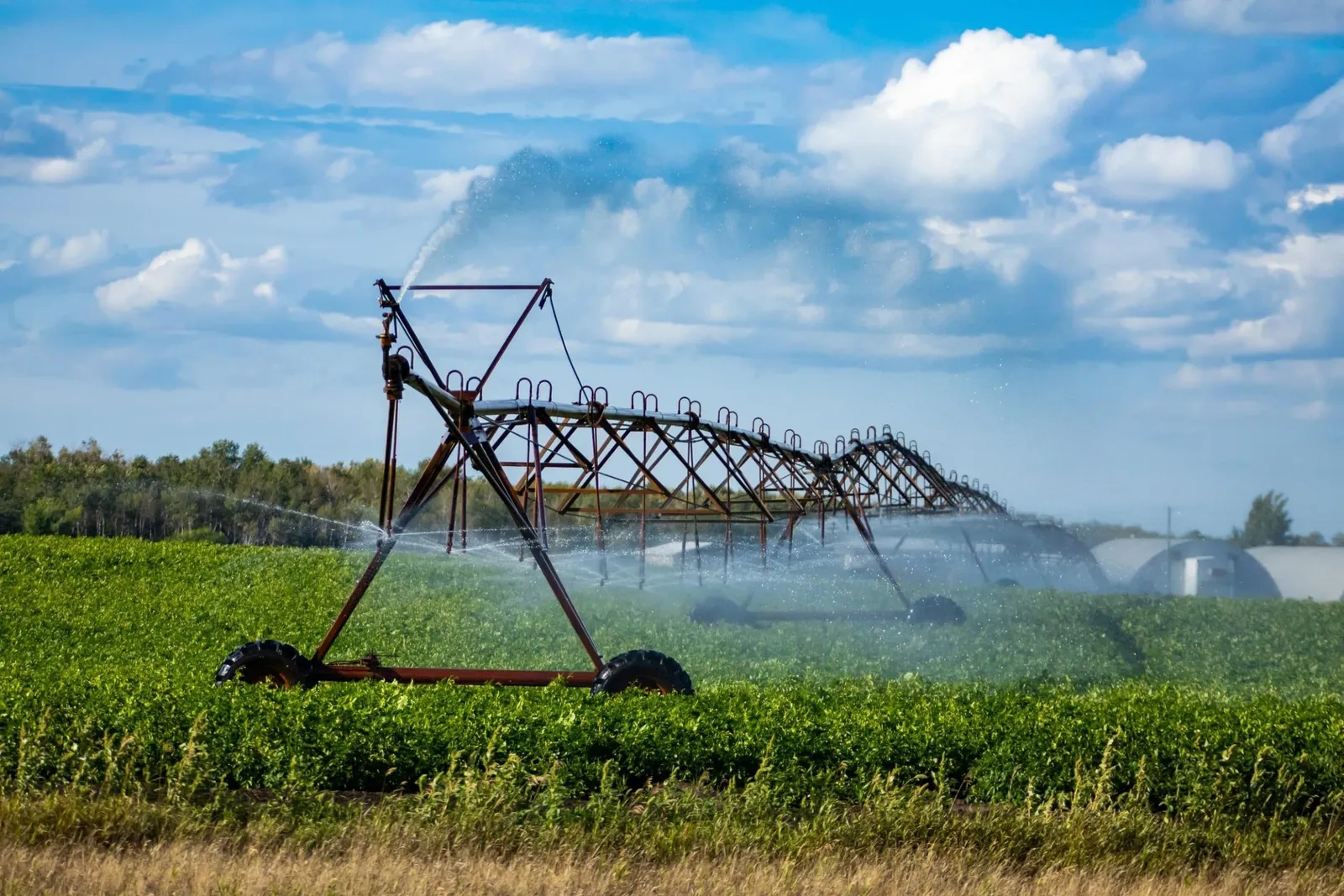
- One end of the supply pipe connects to the water source, and emitters spaced along its length spray the crop below. Overhead sprinkler and center-pivot are the two spray configurations growers rely on most.
- Overhead sprinkler irrigation system – pressurized pipe feeds a series of flat spray nozzles that shower water down onto the plants from above.
- Center-pivot irrigation system – a line of wheeled metal frames anchors the pipe to a central water source, with an emitter at the far end watering the crop while electric motors slowly rotate the whole line in a circle around the field.
Maintaining irrigation systems
An irrigation system needs the same seasonal attention as any other piece of farm equipment. Most growers build a check into their calendar at the close of the growing season, then confirm the system again before it starts back up for spring. That season-end look-over is what keeps a system performing the way it was designed to.
A season-end review, done by running water through the system, typically covers:
- Watching for leaks and clearing debris that could block an emitter or nozzle.
- Comparing actual water flow and spray pattern against how the system was designed to run.
- Looking over each sprinkler for an uneven spray pattern and swapping out any unit that's no longer working correctly.
- Gauging pressure at the pump, at the pivot point, and at the far end of the line, then comparing those readings against what the system read during the season.
The same check is a chance to look past the water path itself, at the gearboxes, wheels, tires, and other moving parts an irrigation system depends on to deliver that water in the first place.
Cleaning irrigation systems
Okay, let’s now get back to talking about why it’s vital that the irrigation system be cleaned.
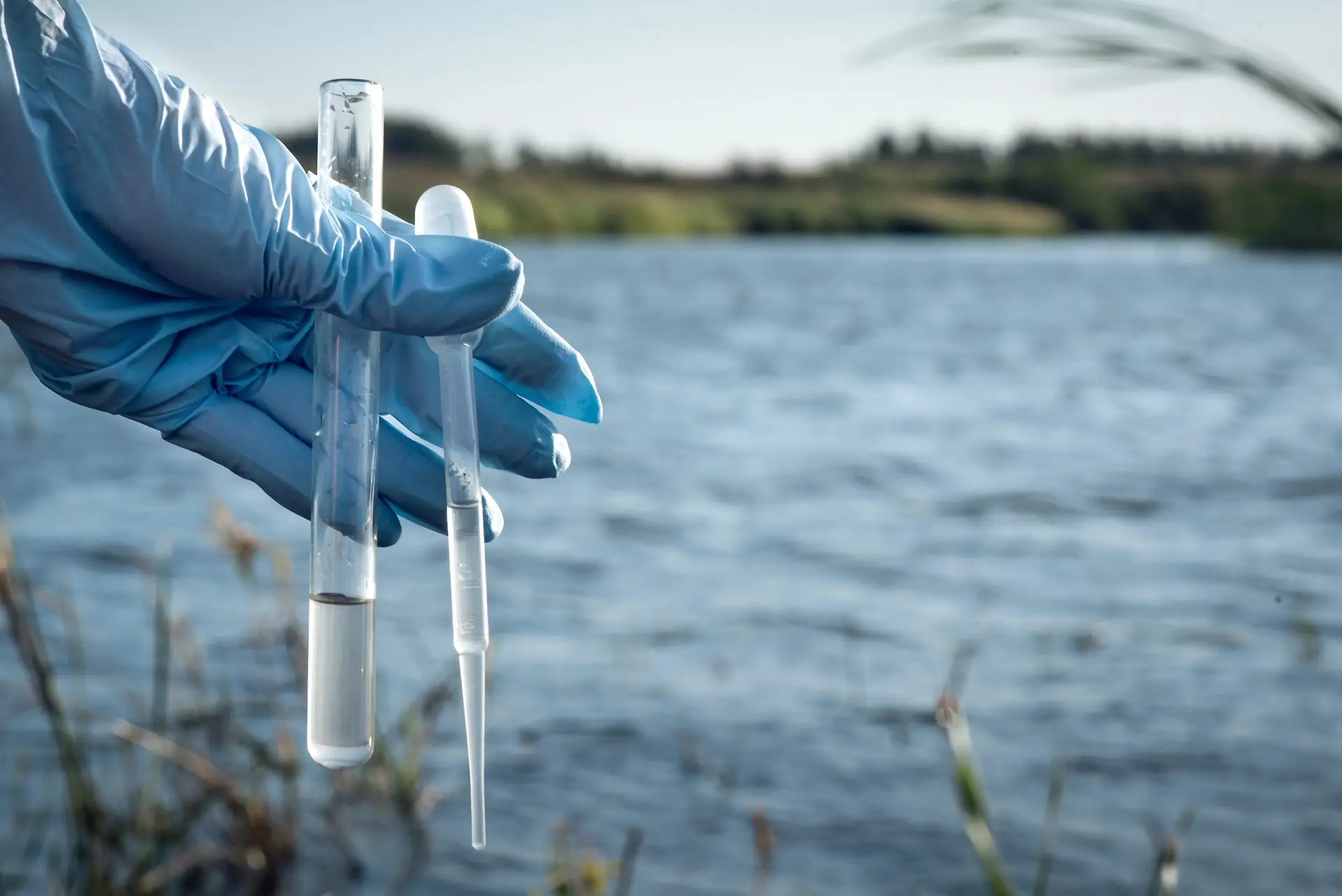
It all comes down to the quality of water being used for irrigation and which is delivered by the irrigation system.
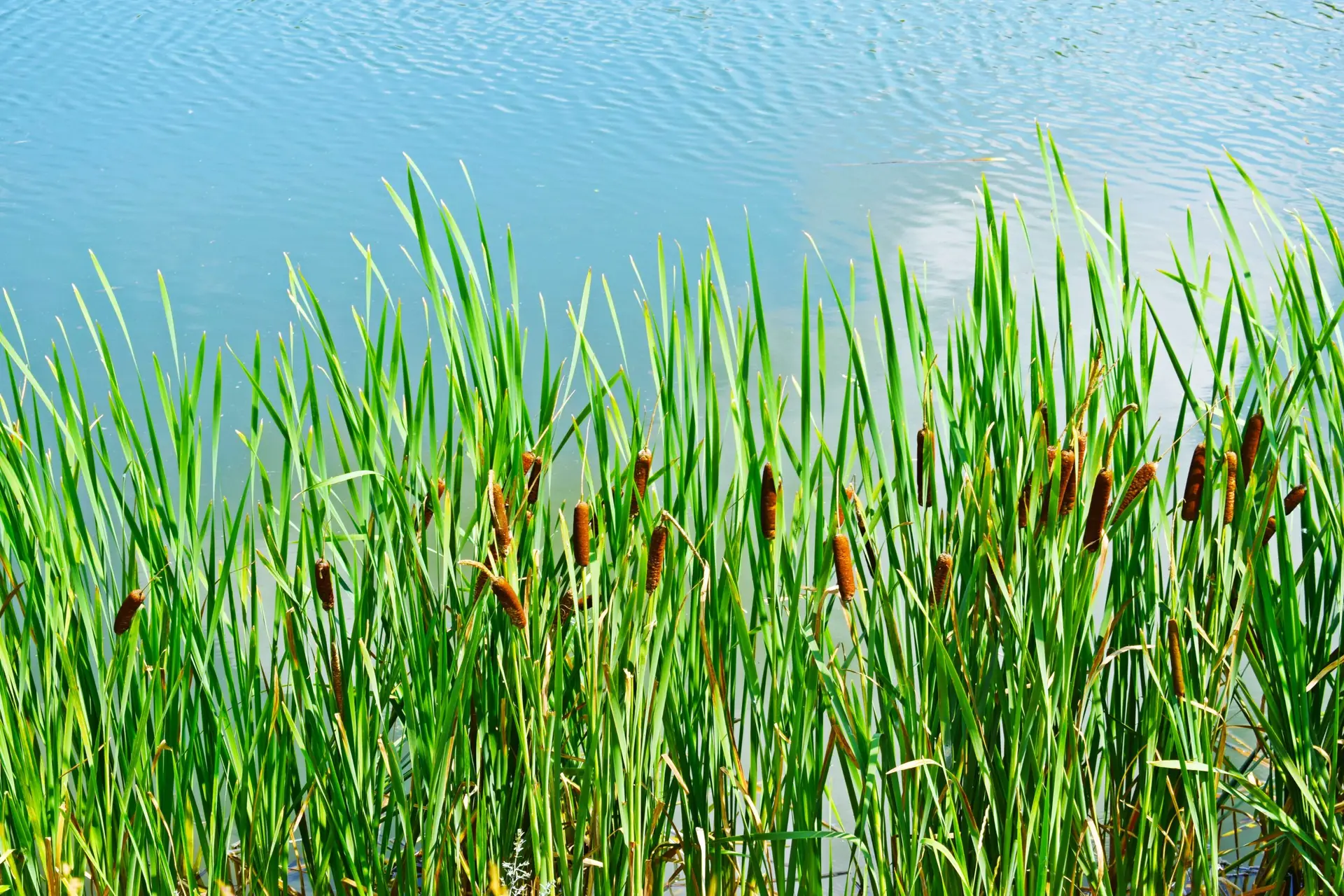
The source of that water matters just as much as the equipment moving it. Wells and municipal supplies tend to arrive largely clean, usually needing nothing more than a simple screen or disc filter. Surface water — from lakes, ponds, and rivers — carries more along with it: inorganic solids like sand, silt, and clay; organic material such as algae, bacteria, and slime; and dissolved minerals including iron, sulfur, and calcium.
Water's pH shapes what happens to those dissolved minerals once they're in the system. Depending on how acidic or alkaline the source water is, minerals like these either stay dissolved and pass through harmlessly, or precipitate out and build up into a blockage over time.
Because that mix of solids differs from one water source to the next, it's worth testing before an irrigation system ever goes into the ground — a state Cooperative Extension Service county agent can direct growers to a lab that runs that analysis.
Now that you know the quality of the water, what next?
- First, a water quality report flags which substances are likely to cause trouble once the growing season is underway — trouble that, left unaddressed, can leave crops short on water and cut into both yield and revenue.
- Second, it points to the remedy needed to keep the system running smoothly for the rest of the season.
- Third, it tells growers what kind of cleaning the system will need once the season winds down.
That season-end cleaning — covered step by step in Cleaning Irrigation Systems Properly — is what actually clears the buildup: bacteria and calcium residue that accumulate in the pipe over the course of a season.
Where the buildup includes mineral deposits picked up from the water source (manganese, calcium, iron, and similar cations), an acid-based product is what's typically used to flush out the pipes and break those deposits loose.
What are some examples of products that are specifically designed to clean irrigation systems?
- Royal Flush™
- An anti-clogging, line maintenance flush, and stain control product.
- Designed for low volume irrigation systems.
- Will unclog emitters.
- Royal Conditioner™
- An anti-clogging, line maintenance flush, and stain control product.
- Contains a water conditioning agent.
- Controls iron and calcium stains.
- For more information about Royal Flush™ and Royal Conditioner™, see Brewer International’s specialty products line.
Read the label and use caution
When flushing an irrigation system using an acid-based product, like Royal Flush™ and Royal Conditioner™, wear proper safety equipment to protect your face, hands, and skin.
References
- Hrozencik, A. 2021. Irrigation and Water Use. USDA-ERS. https://www.ers.usda.gov/topics/farm-practices-management/irrigation-water-use/background/. Accessed, Sept. 28, 2021.
- Lamont, B. 2012. Maintaining Drip Irrigation Systems. Penn State Univ. Hort. and Extn. Publ. https://s3.wp.wsu.edu/uploads/sites/2056/2014/01/Maintaining-Drip-Irrigation-Systems-Bill-Lamont-Penn-State.pdf. Accessed, Sept. 28, 2021.
- Schaible, G. 2017. Understanding Irrigated Agriculture. USDA-ERS. https://www.ers.usda.gov/amber-waves/2017/june/understanding-irrigated-agriculture/. Accessed, Sept. 28, 2021.
Brewer International (https://brewerint.com/) has been a leader in land and water chemistry since the 1980’s and for over 40 years has proudly served it’s national and regional distributors.
Our products are used widely across the United States in agriculture, aquatics, forestry, rights of way, and land management.
Our customers trust our dedication to quality ingredients, tried and true formulas, and positive outcomes.